Bringing a rescue dog home is often painted as a joyful, instant happily-ever-after.
But for many dog moms, the reality looks very different.
Your new dog won’t settle.
Won’t eat.
Won’t relax.
Won’t eat.
Won’t relax.
Behaviors you weren’t expecting begin to show up.
And quietly, you wonder: Am I doing something wrong?
If that’s you, take a deep breath.
You’re not failing — your rescue dog is decompressing.
You’re not failing — your rescue dog is decompressing.
What Decompression Really Means
Most rescue dogs come from environments filled with stress, unpredictability, and loss of control. Even if their past is unknown, their nervous system remembers instability.
When they arrive in your home, their body doesn’t immediately recognize safety. Instead, it releases cortisol — the stress hormone — to stay alert and prepared for survival.
This is where the commonly shared 3-3-3 rule can help you understand what’s happening.
The 3-3-3 Rule Explained
The First 3 Days:
Your dog may seem shut down, withdrawn, restless, or overly clingy. This is survival mode. Everything is new, and their brain is simply trying to cope.
Your dog may seem shut down, withdrawn, restless, or overly clingy. This is survival mode. Everything is new, and their brain is simply trying to cope.
The First 3 Weeks:
This is often the hardest stage. As cortisol begins to drop, emotions rise. Behaviors, fears, and sensitivities may appear or intensify. This is sometimes called a cortisol crash, and while it feels alarming, it’s actually a sign that your dog is starting to feel safe enough to express themselves.
This is often the hardest stage. As cortisol begins to drop, emotions rise. Behaviors, fears, and sensitivities may appear or intensify. This is sometimes called a cortisol crash, and while it feels alarming, it’s actually a sign that your dog is starting to feel safe enough to express themselves.
The First 3 Months:
Trust begins to form. Routines feel more predictable. Your dog slowly shows who they truly are beneath survival instincts.
Trust begins to form. Routines feel more predictable. Your dog slowly shows who they truly are beneath survival instincts.
Why It Can Feel Like Things Are Getting Worse
Here’s the truth most people don’t say:
Healing can look messy before it looks peaceful.
Healing can look messy before it looks peaceful.
Decompression is not linear. Progress isn’t measured by obedience or perfection — it’s measured by safety, consistency, and patience.
One helpful way to support your dog during this season is learning how they naturally communicate and receive love. Many rescue behaviors soften when we meet dogs emotionally, not just behaviorally.
That’s why I created the Love Signals™ Quiz — a quick, gentle tool to help you understand how your dog is trying to connect with you, especially during decompression.
A Faith-Filled Reminder
God did not place this dog in your life by accident.
Not the timing.
Not the challenges.
And not you.
Not the timing.
Not the challenges.
And not you.
You weren’t chosen because you’re perfect — you were chosen because you’re safe.
Slow is not wrong.
Quiet is not broken.
And healing takes time.
Quiet is not broken.
And healing takes time.
💛 Need support during this season?
You don’t have to walk this journey alone.
You don’t have to walk this journey alone.
You’re doing better than you think — and your dog is right where they need to be.
Join my free Facebook community
where we talk honestly about decompression, bonding, routines, nutrition,
& raising rescue dogs with confidence and grace.
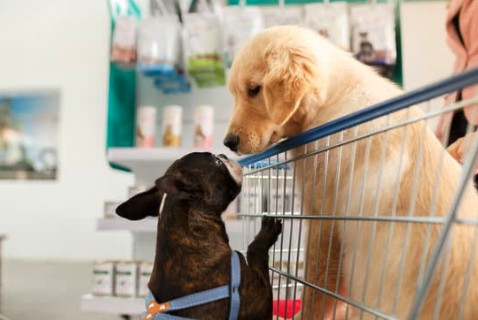
As a first-time puppy mom, I vividly remember the excitement and joy of bringing home my furry bundle of joy. From the moment we met, I knew I wanted to provide the best possible life for my little furry companion. One aspect of puppyhood that quickly became apparent was the importance of socialization. In this blog post, I'll share why socialization is crucial for nurturing confidence in our beloved canine companions.
Meet Sophie, a first-time puppy mom whose heart overflowed with excitement and joy the day she brought home Max. As Sophie and her pup embark on their journey together, they quickly discover the importance of socialization. Let's follow Sophie and Max as they navigate the world of puppyhood.
A New Beginning
The day Sophie welcomed her puppy into her home was filled with anticipation and butterflies in her stomach. As they settled into their new routine, Sophie realized that socialization would play a key role in helping her puppy adjust to his surroundings and develop into a well-rounded dog. From encounters with unfamiliar people and animals to exploring new environments, socialization became a DAILY ADVENTURE for Sophie and Max.
The Importance of Socialization
Sophie soon learned that socialization wasn't just about having fun—it was essential for Max's emotional and behavioral development. By exposing him to a variety of experiences in a positive and controlled manner, Sophie was helping Max build confidence, resilience, and good behavior. From visits to the park and playdates with other pups to outings at pet-friendly businesses and training classes, each new experience brought Sophie and Max closer together and enriched their bond.
The Risks of Not Socializing
Reflecting on their socialization journey, Sophie realized the importance of not only the positive experiences they shared but also the potential risks of neglecting socialization. Unsocialized dogs may struggle with FEAR, ANXIETY, AND AGGRESSON making everyday activities challenging and stressful for both them and their owners. By prioritizing socialization, Sophie was giving Max the best possible start in life and setting him up for success in the years to come.
Embracing the Journey
As Sophie and Max's socialization journey continues, Sophie is reminded of the countless memories they've created together—the joy of watching Max make new friends, the pride of seeing him overcome obstacles, and the love and companionship they share each day. While socialization may have its challenges, the rewards far outweigh the risks, and Sophie wouldn't trade this journey for anything in the world (and neither would I)!
To all the puppy parents out there embarking on this incredible journey, I encourage you to embrace the importance of socialization and make it a priority in your puppy's life. By providing them with positive experiences and opportunities to learn and grow, you'll be helping them become confident, well-adjusted dogs who bring joy and companionship to your family for years to come.
Want to learn more? I invite you to join my free group...
My free Facebook group for busy dog moms who want to confidently nourish their pups without second-guessing every bite. Inside, you’ll find simple nutrition tips, label-reading help, feeding strategies, and real support to raise a dog you truly love living with—starting at mealtime and lasting a lifetime.
💛Because every pup deserves a full bowl and a full heart.